
Property Management
Landlord Insurance vs. Renters Insurance: What Each Covers
By Adam Hunt, Chief Executive Officer2 min read
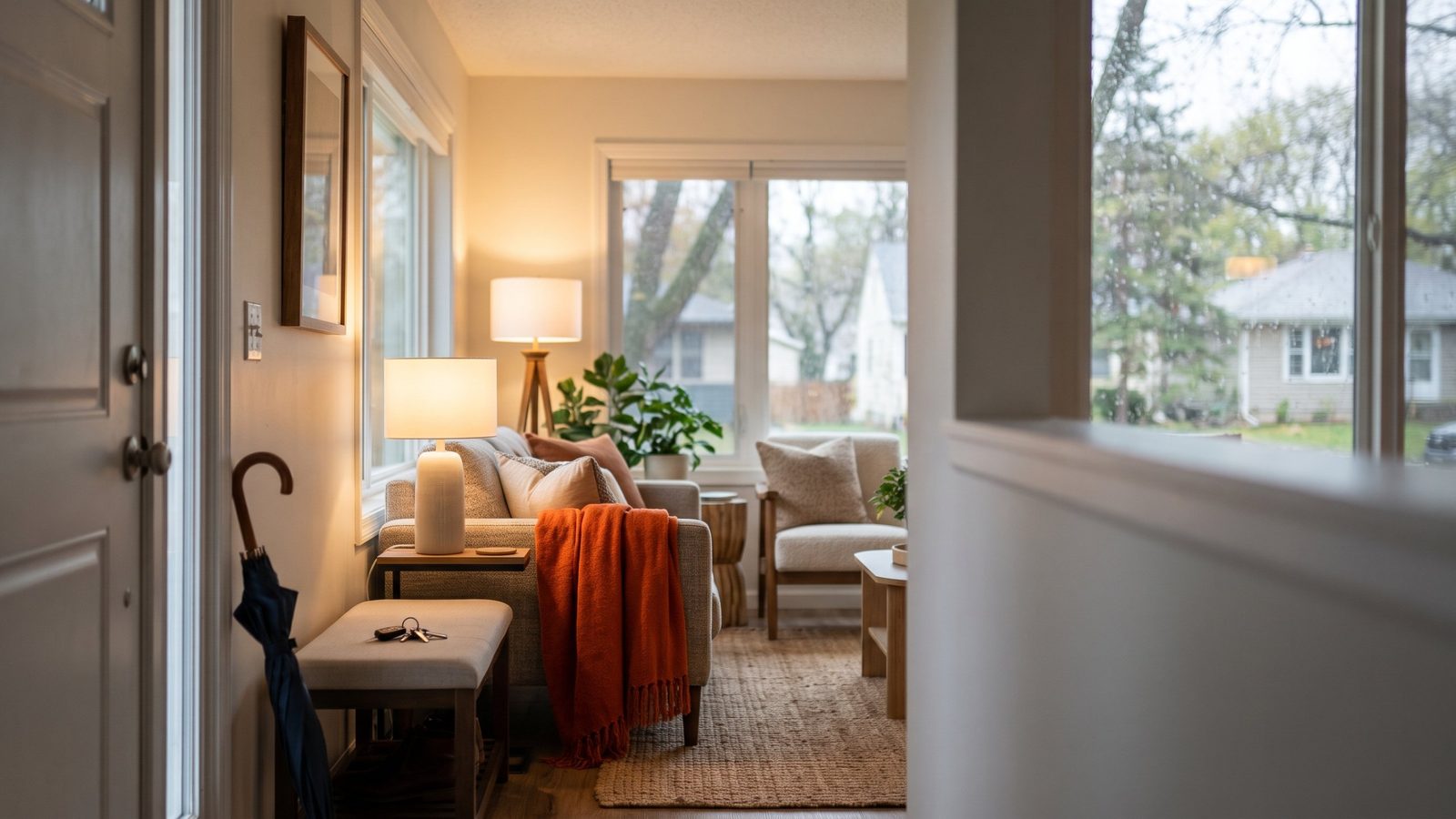
How landlord insurance and renters insurance differ, what each covers, and why Twin Cities rental owners should require renters insurance.
On this page
Insurance is one of the most misunderstood parts of owning a rental. Many owners assume their homeowners policy still covers the home once it's rented, or that their policy covers the tenant's belongings. Neither is usually true. Here's how landlord insurance and renters insurance differ, and why a rental needs both.
Landlord insurance: what it covers
A landlord policy (sometimes called a dwelling or rental property policy) is designed for a home you rent to someone else. It usually covers:
- The building: damage to the structure from covered events like fire, wind, hail or burst pipes.
- Liability: claims if someone is injured because of the property's condition.
- Loss of rent: lost rental income while a covered repair makes the home unlivable.
- Your own items: appliances or furnishings you provide.
A standard homeowners policy is written for owner-occupied homes and often won't cover a home once it's rented. Tell your insurer before the first tenant moves in.
Renters insurance: what it covers
Renters insurance is the tenant's own policy. It usually covers:
- The tenant's belongings: furniture, electronics and clothing.
- The tenant's liability: for example, if the tenant accidentally causes a fire or water damage, or a guest is injured.
- Temporary housing: if the tenant has to move out during a covered repair.
Your landlord policy does not cover the tenant's belongings. If a pipe bursts, the tenant's ruined furniture is the tenant's loss unless they have renters insurance.
Why owners should require renters insurance
Requiring renters insurance in the lease protects everyone. Tenants recover their belongings without a dispute, and the tenant's liability coverage can pay for damage they cause before it becomes a claim on your policy or a fight over the security deposit. Renters insurance is usually inexpensive, often costing tenants only a small amount each month.
Gaps to watch for
- Vacancy: many landlord policies limit coverage when a home sits empty for an extended period. Check your policy's vacancy terms.
- Floods: flood damage is usually excluded and needs separate coverage.
- Liability limits: owners with several rentals often add an umbrella policy.
- Short-term rentals: a standard landlord policy may not cover stays under 30 days.
How Fuze helps
Fuze requires renters insurance in every lease, encourages owners to confirm their policy reflects the home as a rental, and documents property condition at move-in and move-out, which helps with any claim. Talk with your insurance agent about the right coverage for your property.
This article is general information, not insurance advice. Coverage varies by policy, so review yours with a licensed agent.
Talk to a Fuze property manager
Or call 612.353.8080